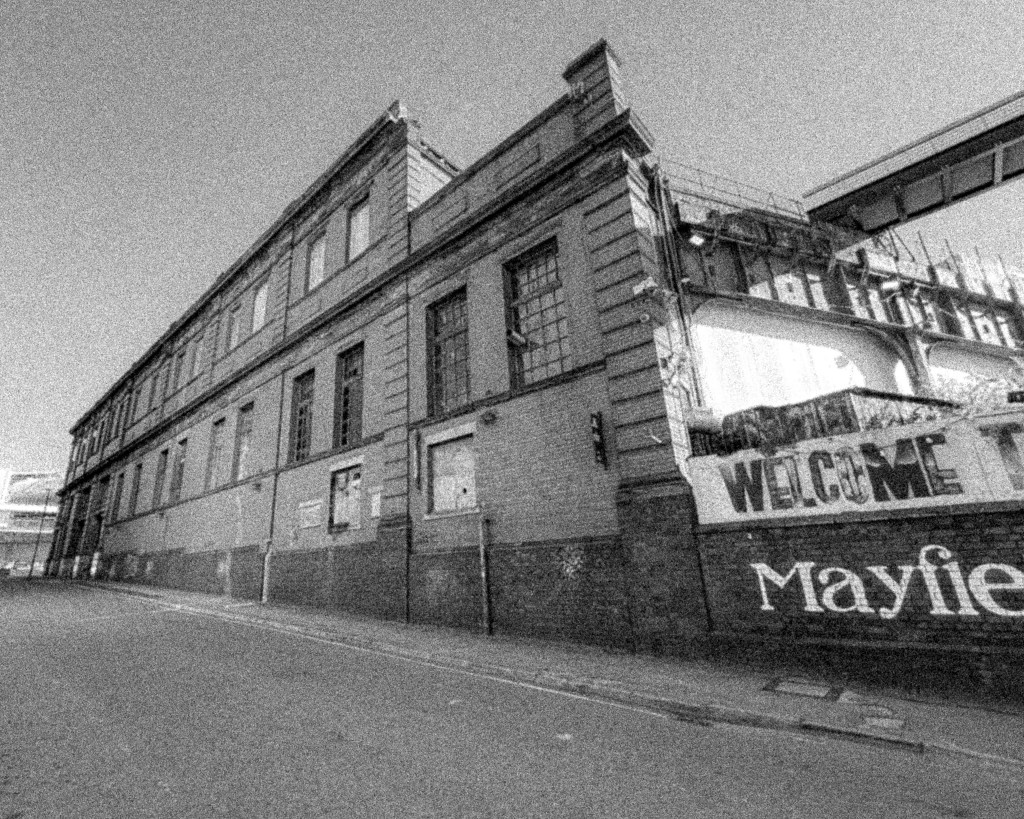

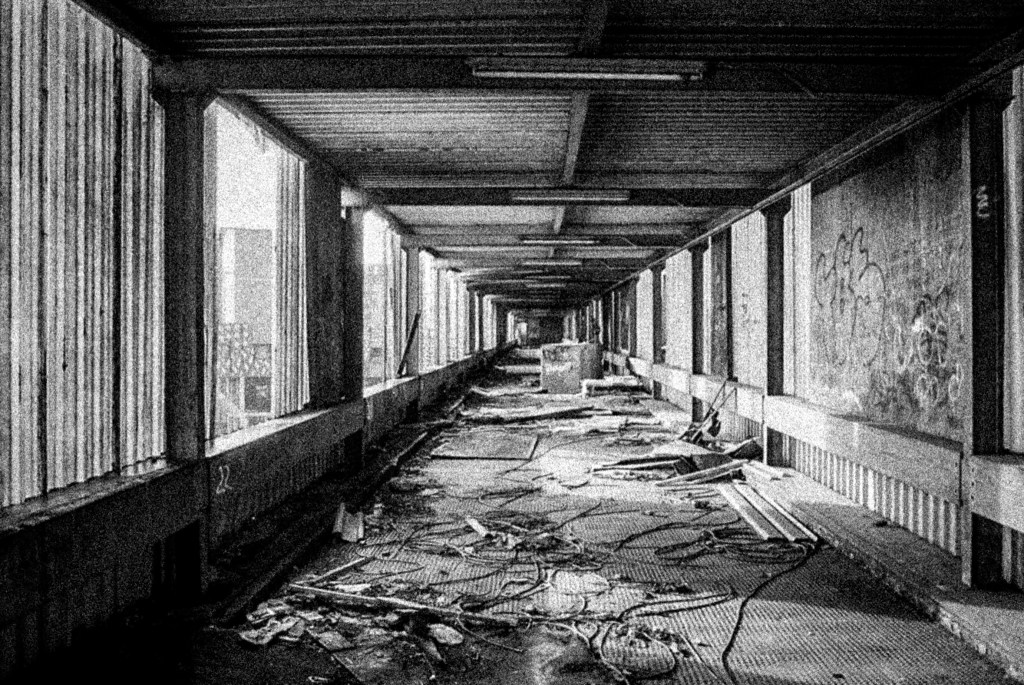

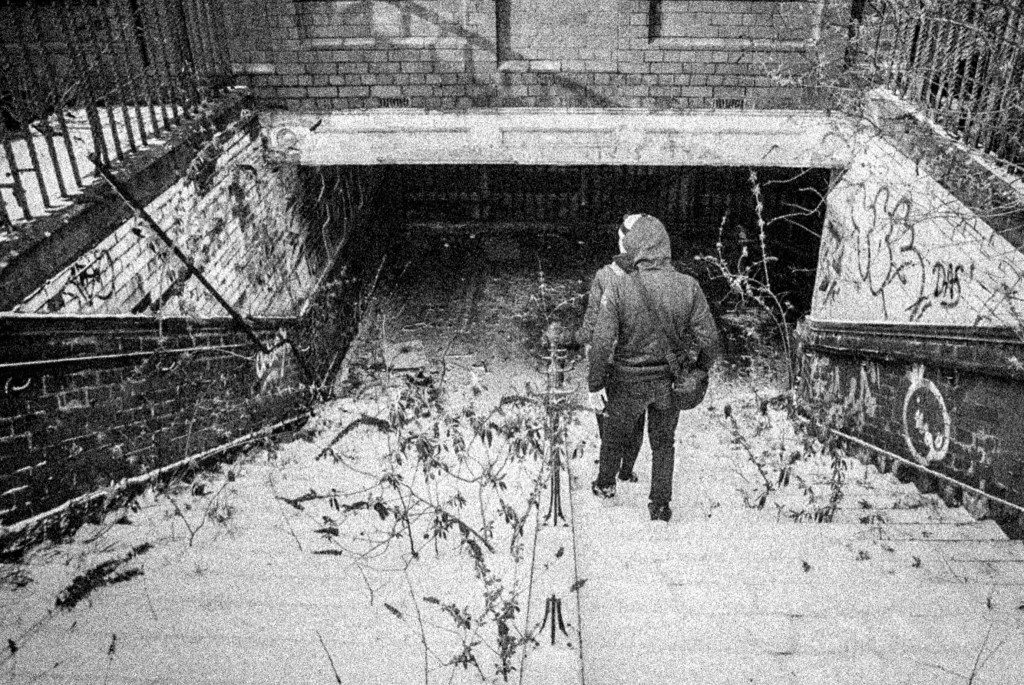
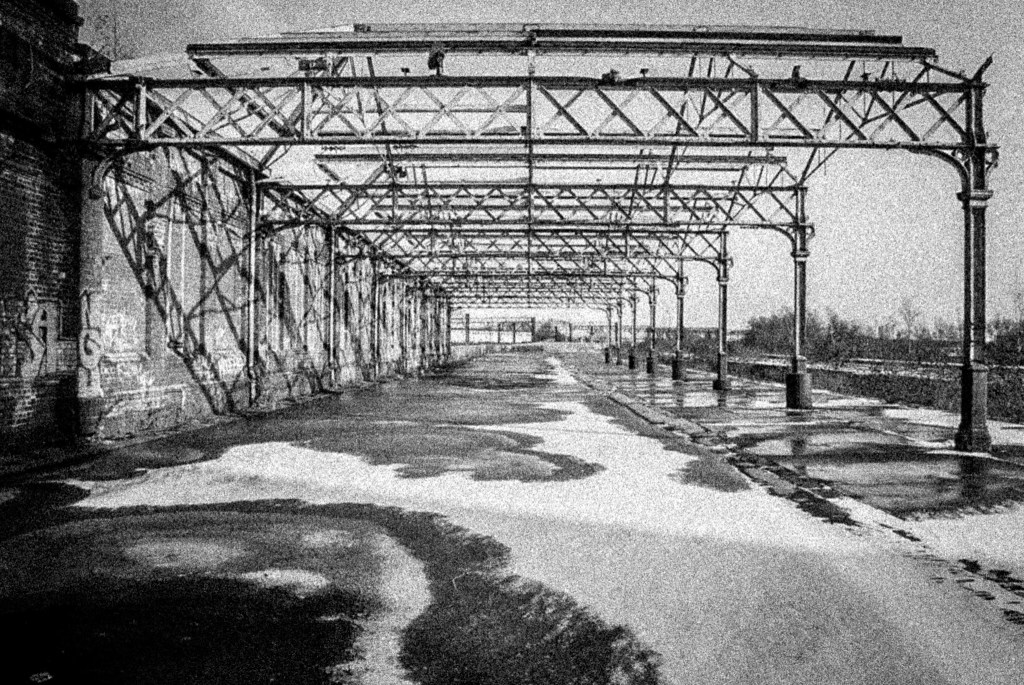

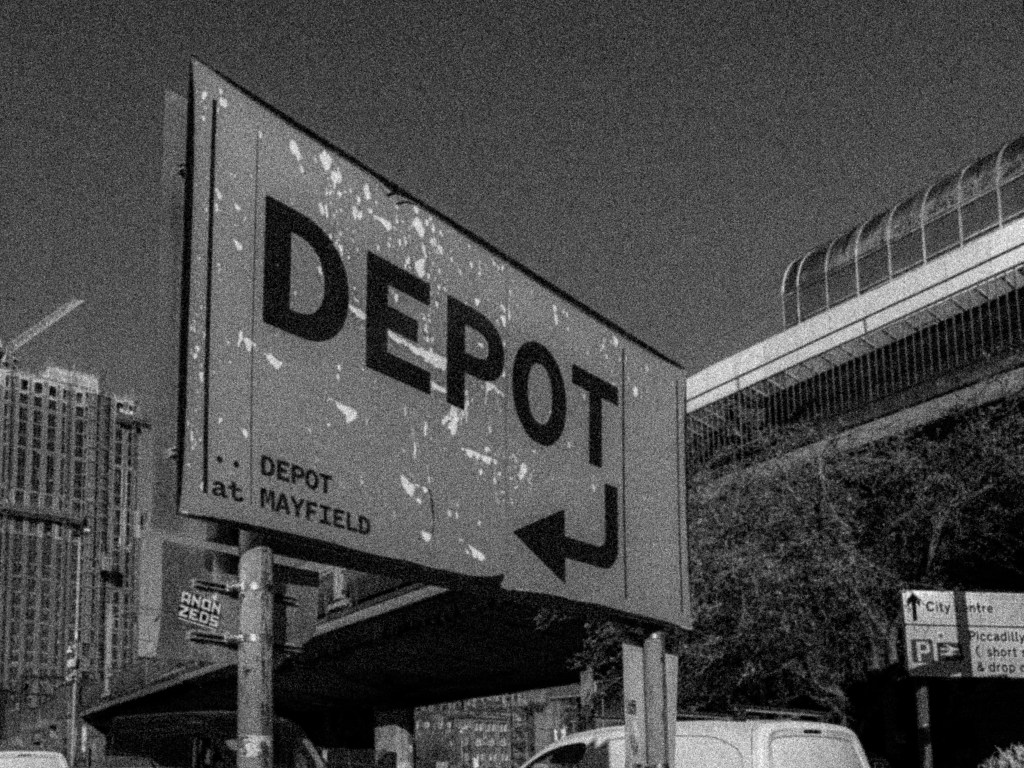
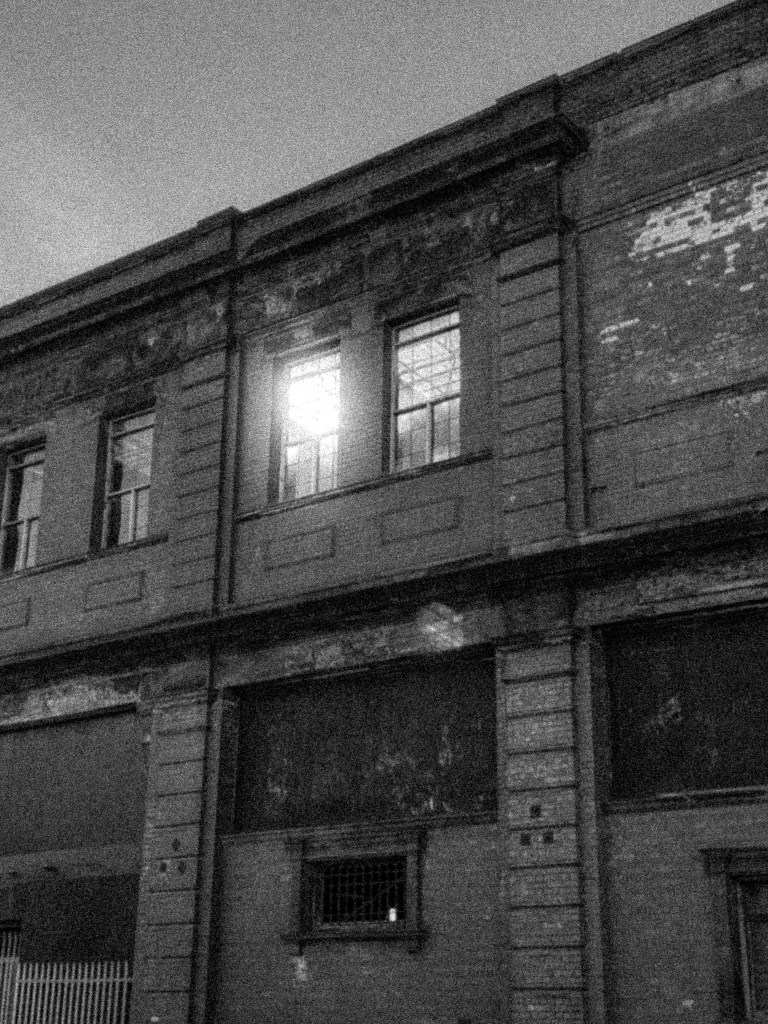

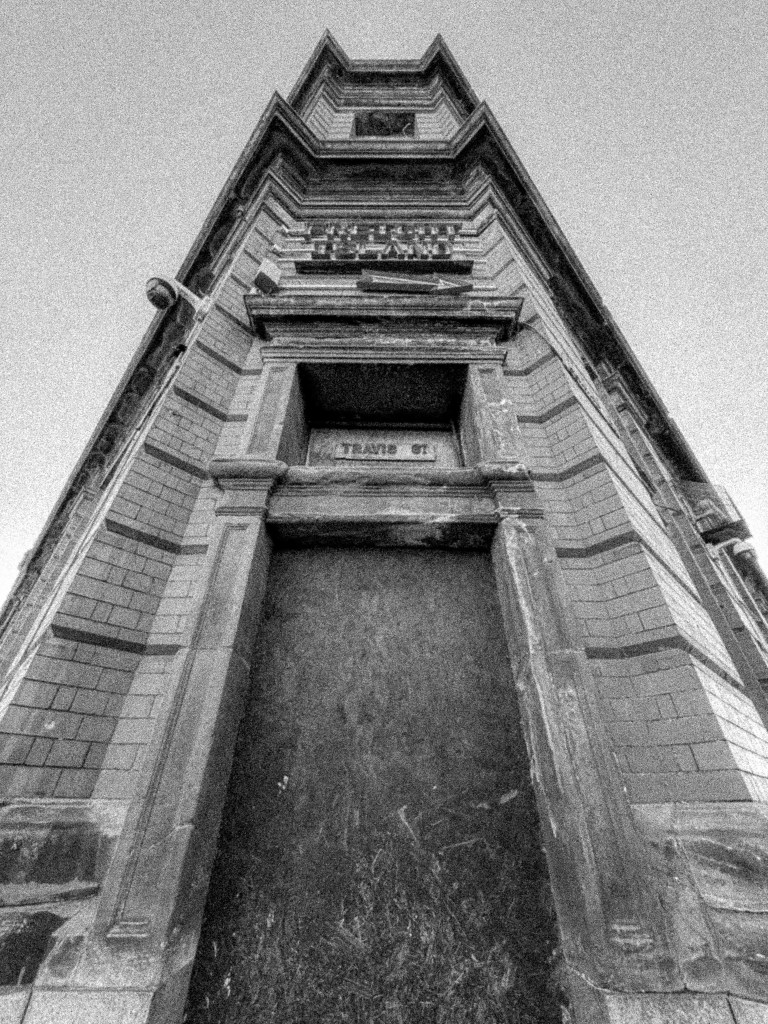
Tucked behind Manchester Piccadilly, on the south side of Fairfield Street, stands the shell of what was once Mayfield Station. Opened in 1910 as a relief terminus built to ease overcrowding at the city’s mainline hub, it handled passengers and, later, parcels, before closing to the public in 1960 and shutting down entirely in 1986. For the decades that followed, the building was left largely to itself — broken glass, rusting gantries, and the particular quiet of somewhere that had once been very busy.
Long before its conversion into a cultural venue, Mayfield had a reputation among railwaymen. At least three deaths were documented within the station complex during its working years. A night porter stepped through the baggage hoist gate believing the lift was at his level, fell fifty feet down the shaft, and was killed. A man hanged himself in the station’s indicator box. Another, believed to be a station foreman, died by suicide in the gentlemen’s lavatory. These incidents were not widely publicised, but among staff they were known. Stories had taken root well before the building appeared in ghost books and walking tours.
The phenomenon most consistently reported was footsteps. Heavy, deliberate, and always following the same route: from the far end of the corridor, past the foreman’s office where they sometimes seemed to pause at the window, then on toward the baggage hoist, where they stopped without explanation. Fred Jenks, a retired station foreman, said he heard them at least three times. Each time he went to look, the platform was empty. Other accounts came from porters and shunters working the quieter hours. One recalled hearing footsteps close behind him at around 3am, the only person in the building at the time. A fortnight later it happened again, near the master switch for the station lights. He flooded the platform with light. The footsteps continued regardless, passing close enough that he said he felt he could reach out and touch the air beside him.
Several witnesses also described a physical sensation that came before the sounds rather than as a response to them, a sudden prickling up the spine, a feeling of expectation. Porter Ted Dyson described sitting alone in the foreman’s room one night when it came over him. The footsteps began from the end of the corridor shortly after.
Since 2019, part of the site has operated as Depot Mayfield, a large-scale events venue used for concerts, festivals, and exhibitions. Mayfield Park opened on the southern portion of the site in 2022. Some areas of the original structure remain closed and unrestored.


