

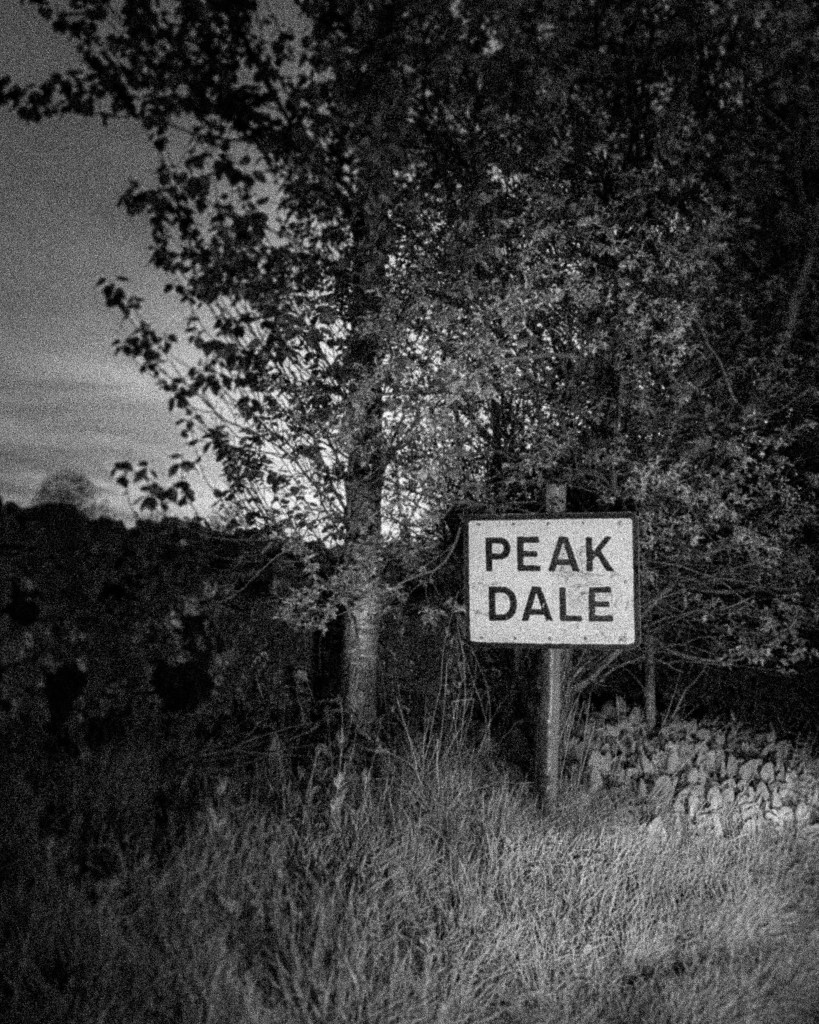


They say the dead don’t look back. But in the winter of 1927, several residents of Peak Dale weren’t so sure. In the small quarrying village just outside Buxton, multiple witnesses reported seeing a bowed and sorrowful figure in the churchyard of Holy Trinity, one that looked remarkably like the curate who had died just twelve months earlier.
***
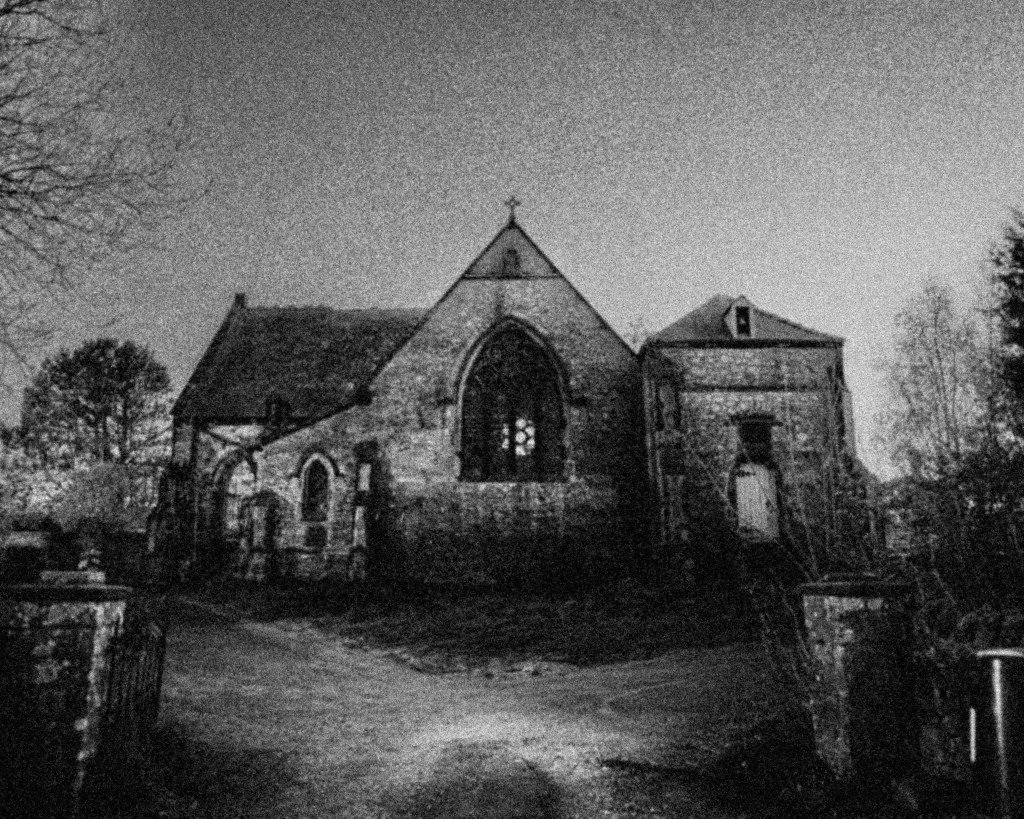
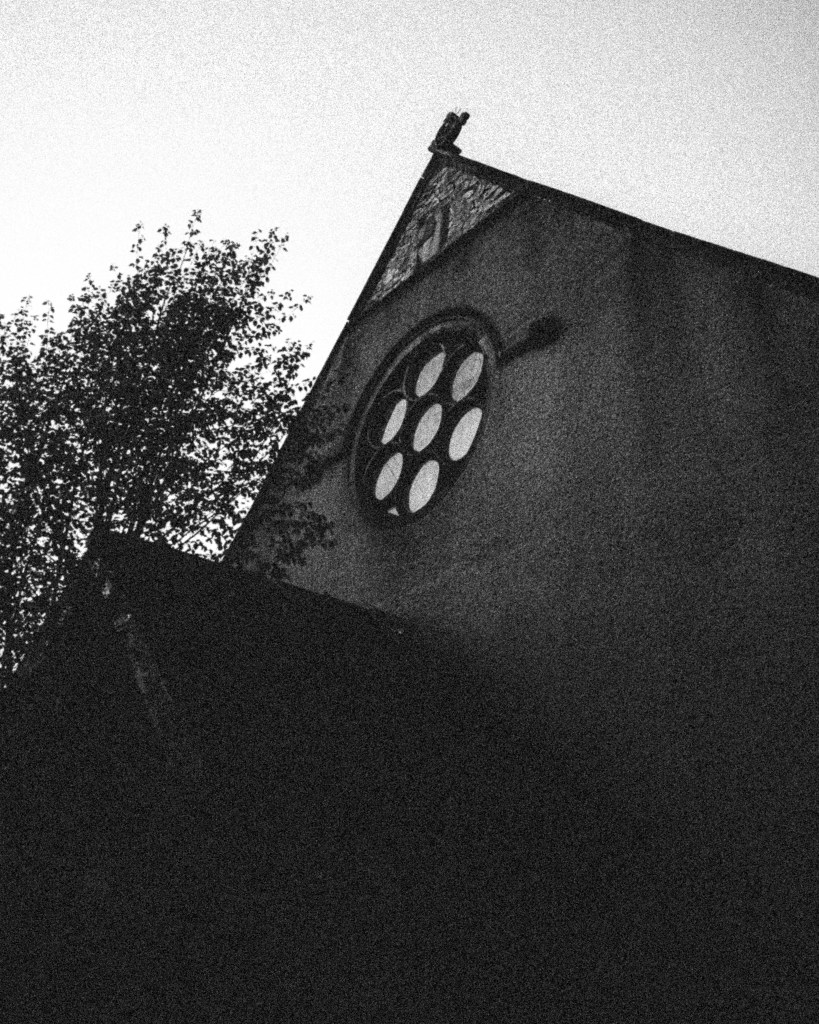
Holy Trinity Church was built in 1885, perched modestly at the edge of Peak Dale and backed by the dark sweep of the limestone hills. It was constructed at a cost of £1,500 and served as a chapel-of-ease to Wormhill, providing a spiritual anchor for the workers of the nearby quarries. The church is modest but handsome, with brass rails arching the chancel and furnishings donated by the Bagshawe family in memory of the long-serving rector of Eyam.
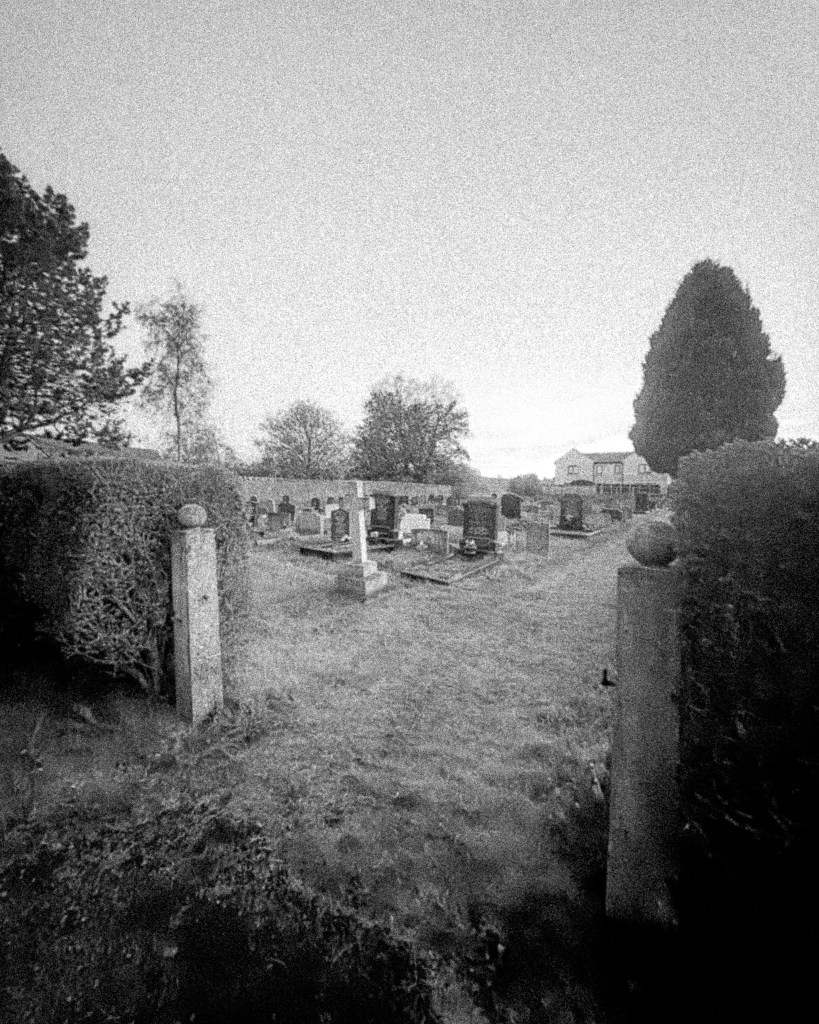
The surrounding graveyard, though relatively small, commands a quiet dignity. By the 1920s, it had already been in use for several decades. Among the stones, some now weathered into near illegibility, lay the body of the Rev. F. W. Bowring, a local curate who died of influenza sometime in early 1926. His passing was evidently a blow to the community, but it was what happened a year later that brought Holy Trinity its moment of national attention.
***
The first sighting came from a professional man who lived near the church and had been a close friend of Rev. Bowring. Late one February night in 1927, he was returning from a walk when an unshakable impulse led him through the cemetery gates. There, by the curate’s grave, stood a figure, “ethereal,” he said, and unmistakably dressed in clerical attire.
The figure was stooped, as though in contemplation, gazing at a wreath that had recently been placed on the grave by Mrs Bowring. The man remained still for a few minutes, overwhelmed by what he was seeing. Though previously sceptical of such things, he later admitted he had no doubt he had seen his late friend. So affected was he by the encounter that he swore never to enter the churchyard after dark again.
His account was quickly echoed by others. A local woman, passing the churchyard alone one night, claimed she too had seen a bowed figure near the grave. Terrified, she fled to a nearby house. Another man witnessed the same vision, though he could not identify the figure. And then there was the whisper of something stranger still, local reports claimed that Mrs Bowring herself had seen the apparition from an upstairs window overlooking the cemetery. According to one version, a voice warned her: “Don’t look at it, Queenie.”
***
It’s said that the Rev. Bowring had an interest in spiritualism, a not uncommon position in the years following the First World War and Spanish Flu pandemic. Many clerics wrestled with loss, and a belief in communication beyond the veil was not always in conflict with faith. Whether or not this influenced the tales at Peak Dale is difficult to say, but it adds another layer to a story already ripe with atmosphere.
The sightings appear to have ceased after that short spell in 1927. But the reports were unusually consistent, and the village of Peak Dale remained, for a while at least, unsettled by the thought that their former curate still kept vigil over his own grave.
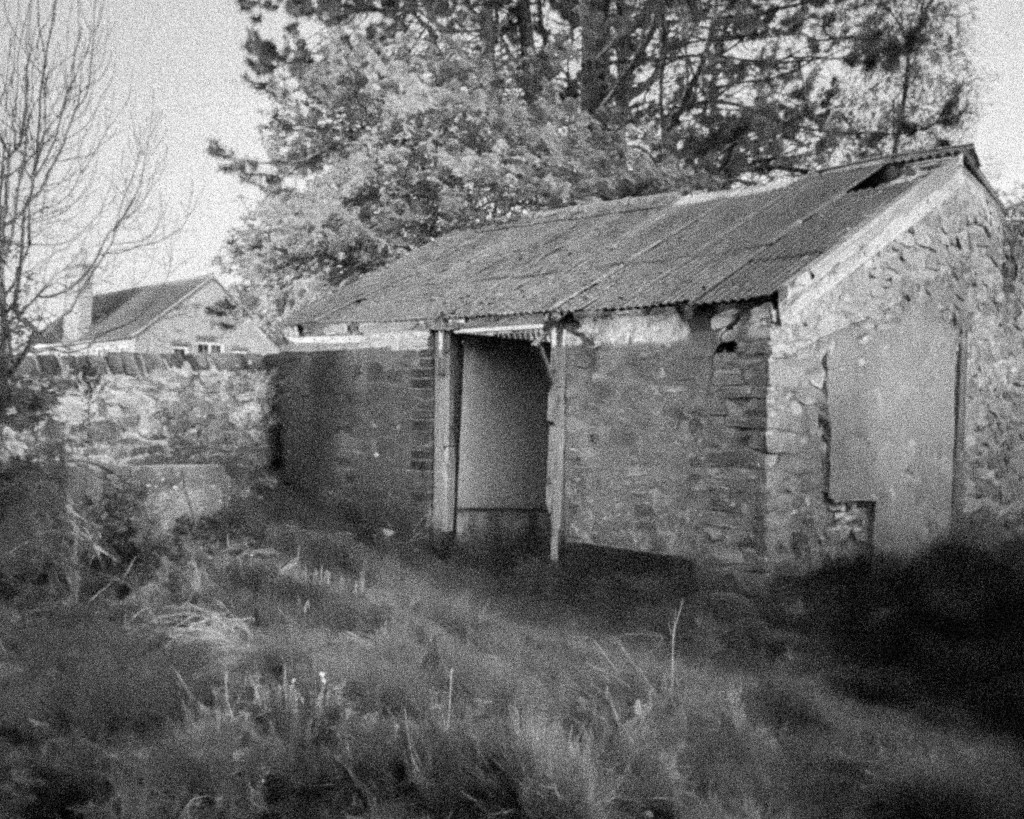
Thanks to Henry Home for the wonderful photographs that accompany this entry. You can find more of his work at instagram.com/henry_home_shoots.


